
7 Mistakes You're Making with BBQ Rubs (and How to Fix Them)
Look, I've been there. Standing over a beautiful piece of meat, convinced I've got everything dialed in perfectly, only to take that first bite and think "What the heck happened?" After years of perfecting my own smoke house seasoning blends and watching countless backyard pitmasters make the same mistakes I did, I've learned that great BBQ isn't just about the fire: it's about getting your rub game right.
Here are the seven biggest BBQ rub mistakes I see people make (and trust me, I've made most of them myself), plus how to fix them so your next cookout actually tastes like you know what you're doing.
Mistake #1: Putting Rub on Wet Meat
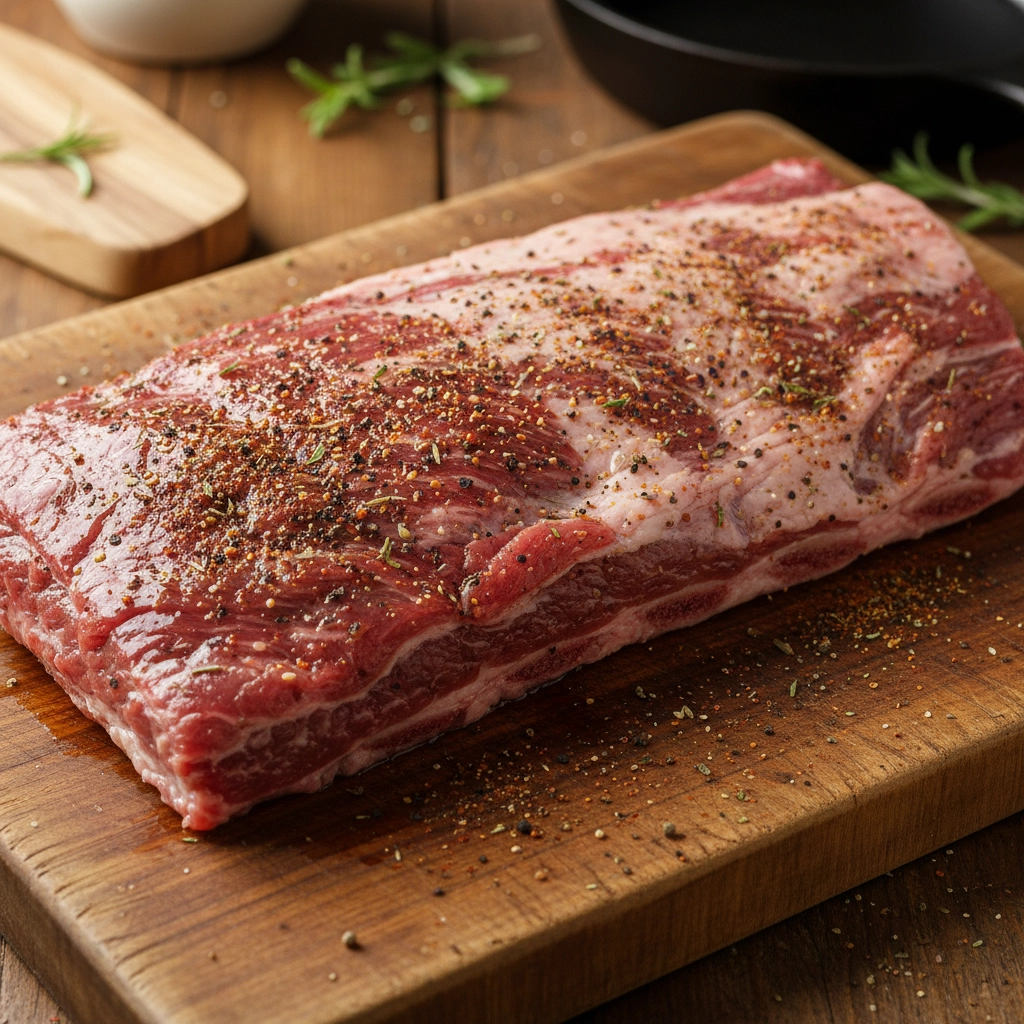
This one drives me crazy because it's so easy to avoid, yet I see it all the time. You pull your ribs out of the package, maybe give them a quick rinse, and immediately start shaking on your bbq seasoning. What happens? The rub turns into a gloppy mess that slides right off, leaving you with patchy seasoning and frustrated cursing.
The fix: Pat that meat bone dry with paper towels. I mean completely dry: like you're prepping it for surgery. If there's any moisture on the surface, your rub won't stick properly and you'll end up with uneven flavor. This is especially important if you're using one of my blends like Lone Star Smoke, which has a perfect balance that gets ruined when it clumps up from moisture.
Mistake #2: Rushing the Rub Process
I get it: you're hungry, your buddies are coming over, and you want to get that meat on the pit ASAP. But here's the thing: seasoning your meat right before cooking is like putting cologne on right before jumping in the shower. It's not going to stick around long enough to matter.
The fix: Give your smokehouse rubs at least 15-30 minutes to work their magic before cooking. Even better? Season the night before and let it sit in the fridge. This gives the salt time to pull out moisture, then draw it back in along with all those flavors. I always tell people that patience with your rub is just as important as patience with your cook.
Mistake #3: Going Sugar-Crazy on Hot Cooks
Sugar burns. It's that simple. Yet I constantly see people loading up their bbq rubs with brown sugar, then cranking their smoker up to 300°F and wondering why their bark tastes like charcoal. Sugar starts getting bitter around 275°F, and if you're running hot, that beautiful caramelization quickly turns into acrid disappointment.
The fix: Save the sugar-heavy rubs for low and slow cooks, or use them sparingly on higher heat. My Sweet Amber Fire blend works great at lower temperatures, but if I'm doing a hot and fast cook, I'll reach for something with less sugar content. Know your rub, know your heat, and adjust accordingly.
Mistake #4: Uneven Application (The "Polka Dot Effect")
Nothing ruins great bbq seasoning faster than applying it like you're feeding chickens. You know what I'm talking about: big clumps here, bare spots there, creating what I call the "polka dot effect" on your meat. One bite is perfectly seasoned, the next tastes like nothing, and the third one makes you reach for a beer to cool down.
The fix: Take your time and be methodical. I like to season from about 8-10 inches above the meat, using a consistent shaking motion. Work in sections, making sure every square inch gets covered. Think of it like you're painting a fence: you want even, consistent coverage everywhere.
Mistake #5: Being Stingy with Seasoning
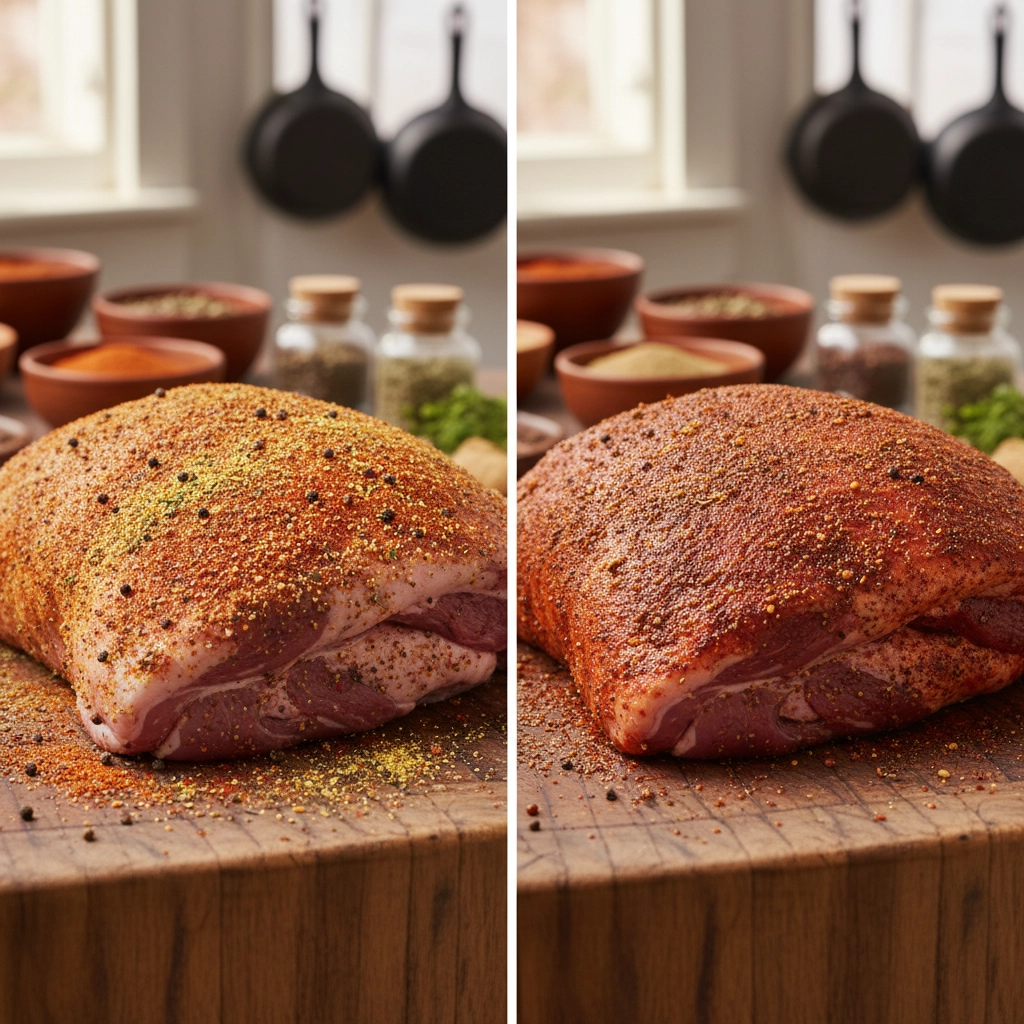
This might be the most expensive mistake on the list, because under-seasoned meat is just sad meat. I see people treating their bbq rubs like they're sprinkling gold dust, using barely enough to color the surface. Then they wonder why their brisket tastes bland despite a 14-hour cook.
The fix: Don't be afraid to be generous. Good smoke house seasoning should coat the meat enough that you can see it, but not so much that you're building a crust. A properly seasoned piece of meat should look like it's wearing a nice, even sweater of spices. If you're using quality blends (like mine), a little goes a long way, but "a little" doesn't mean practically invisible.
Mistake #6: Skipping the Binder (Or Using Too Much)
Here's where people get confused. Some folks think they don't need any binder at all, while others go overboard and essentially make a paste. Both approaches can mess up your final product. No binder means your rub might not stick well, especially on leaner cuts. Too much binder and you've created a weird, gooey layer that interferes with bark formation.
The fix: Use a light coat of mustard, olive oil, or even hot sauce as your binder. I'm talking thin: just enough to make the meat slightly tacky so your rub sticks. Yellow mustard is my go-to because it's cheap, flavorless after cooking, and gives great adhesion. Just brush it on lightly, then apply your seasoning.
Mistake #7: Not Understanding Your Meat's Timeline
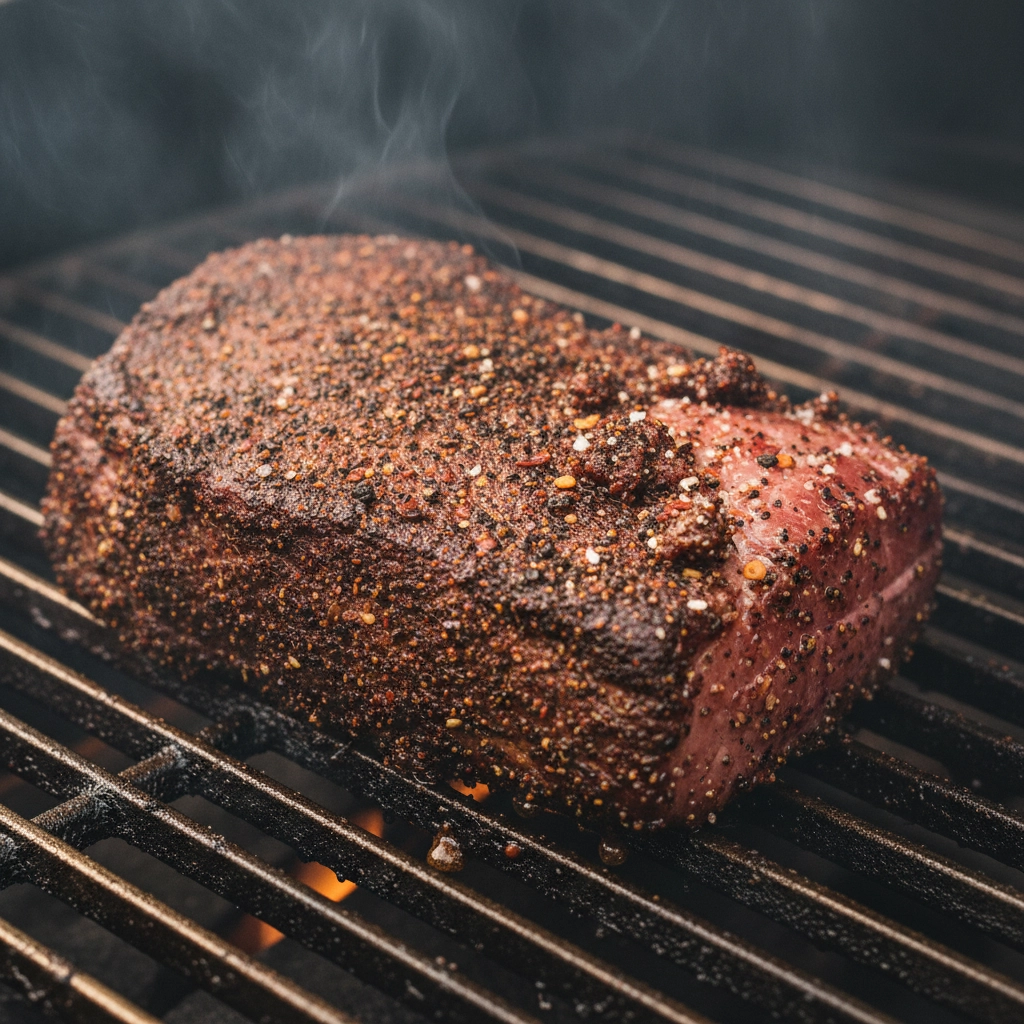
Different cuts need different rub strategies, and this is where a lot of backyard bbq recipes go wrong. Treating a chicken breast the same as a pork shoulder is like using the same golf club for every shot: technically possible, but not very smart.
The fix: Match your timing to your meat. Quick-cooking cuts like chicken or fish can handle being seasoned right before cooking. Thicker cuts like brisket or pork shoulder benefit from longer seasoning times: even overnight. Steaks fall somewhere in between. I keep different approaches for different proteins, and it's made a huge difference in my results.
The Real Game-Changer: Quality Rub Blends
Here's something most rub guides won't tell you: all the technique in the world won't fix a mediocre seasoning blend. I learned this the hard way after years of trying to make grocery store rubs work. The difference between a mass-produced seasoning and a carefully crafted small-batch blend is night and day.
When I started making my own blends, everything changed. The balance was better, the flavors were more complex, and most importantly, they were consistent. That's why I put so much effort into getting the ratios right in blends like Smoky Orchard or Sweet Onion Bacon Jam: because technique only gets you so far if your ingredients aren't pulling their weight.
Putting It All Together
The beauty of fixing these mistakes is that once you get them right, they become second nature. Dry meat, even application, proper timing, quality seasoning: it sounds like a lot, but after a few cooks, it's just part of your routine.
Start with one or two changes and work your way up. Maybe this weekend, focus on getting your meat properly dry and evenly seasoned. Next time, work on your timing. Before you know it, you'll be the one giving advice at backyard cookouts instead of wondering why everyone else's food tastes better than yours.
And remember: great BBQ isn't about perfection, it's about understanding what you're doing and why. Once you fix these seven mistakes, you'll taste the difference immediately. Trust me on this one.