From Backyard Experiments to Bold BBQ Blends: The Real Story Behind Nate's Smokehouse Flavor
You know how some stories start with "it was a dark and stormy night"? Well, mine starts with "it was a hot Saturday afternoon, and I was standing over a smoking grill wondering why my brisket tasted like cardboard."
That was 2020, during the pandemic, here in North Carolina, the year I got my first smoker. I've lived in NC since 1996, but that smoker kicked off everything. I'd been grilling for years, nothing fancy, just weekend-warrior stuff (burgers, hot dogs, maybe some chicken if I was feeling adventurous). But I had this itch, you know? I wanted flavors I couldn't find on any store shelf, so I started crafting my own rubs to get exactly what I was after.
The Backyard Laboratory Years
My journey into what would eventually become Nate's Smokehouse BBQ Blends started the way most good stories do, with complete and total failure.
I remember my first attempt at making my own bbq rubs. I'd watched some YouTube videos, read a few articles, and figured, "How hard could it be?" Turns out, pretty hard. My first batch was basically salt with some paprika thrown in for color. The second batch? Let's just say my wife politely suggested I stick to store-bought seasonings.
But here's the thing about failure, it teaches you stuff you can't learn any other way. Each terrible batch taught me something new. Too much salt? Check. Brown sugar burns too fast? Yep, learned that one the hard way. Garlic powder isn't the same as granulated garlic? Oh, you bet I figured that out.
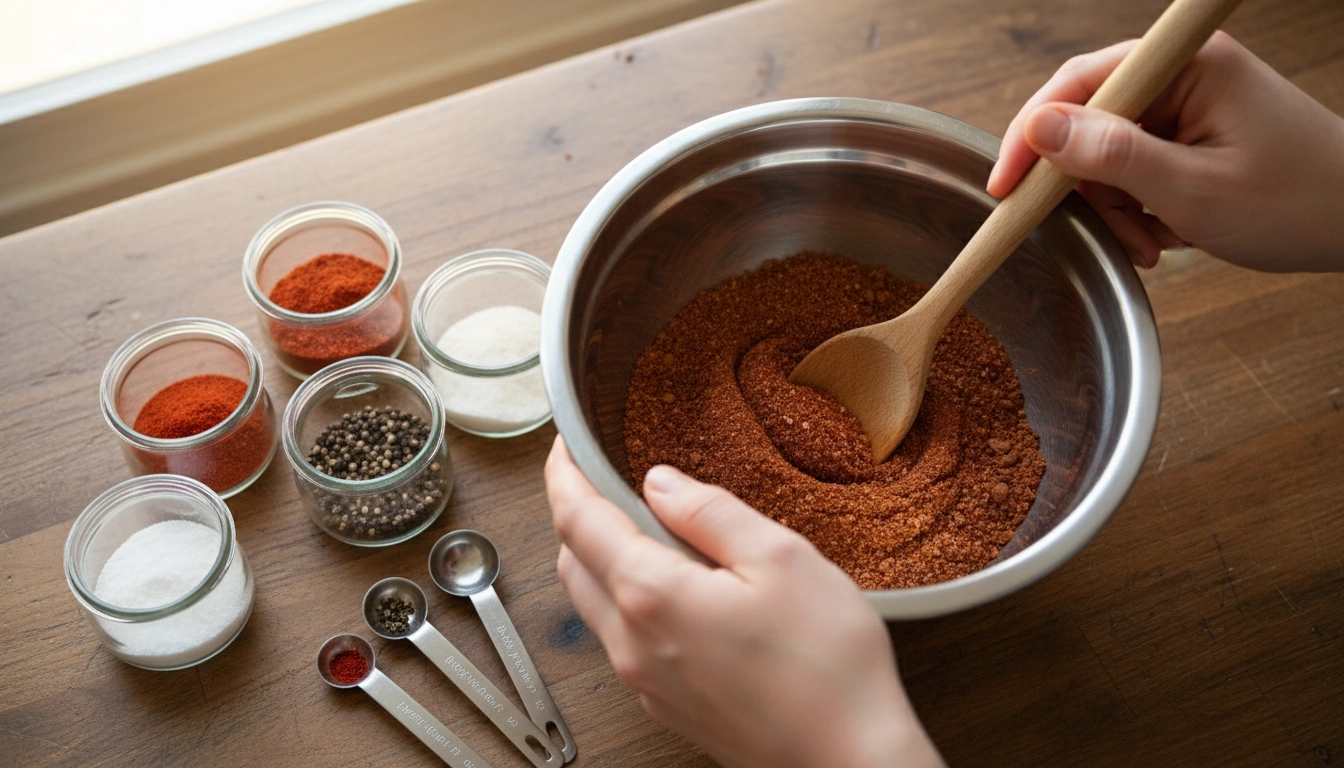
My backyard became my laboratory. At first, I didn't write anything down—I was just experimenting and enjoying the flavor journey (a pinch here, a little more paprika there, taste, adjust, repeat). I was that neighbor who was always outside tinkering with the grill, much to my family's amusement and occasional horror.
My Process: From Freestyle to Precision
As friends and family started asking for extra jars (especially around the holidays) and those gifts kept disappearing fast, I realized I needed to be able to recreate the exact same flavor every single time. When I decided to start selling my blends, I shifted gears hard into precision. I began keeping meticulous notes and detailed records so each batch matched the last.
Here's what that looks like for me now:
- Exact gram weights for every ingredient (no more “about a tablespoon”—I weigh everything)
- Grind size notes and supplier lots (because a fine grind hits different than a coarse one)
- Humidity and clumping checks, plus rest times after mixing (it helps flavors bloom and settle)
- Batch logs with version numbers and cook notes on different proteins and temps (ribs, chicken, pork shoulder, even veggies)
- Side-by-side tastings against prior batches to confirm consistency before anything gets labeled
That shift—from freestyling to laser-focused record-keeping—reflects what matters most to me: quality and consistency for you. When you crack open one of my jars, I want it to taste exactly right, every time (the way I intended it on my own smoker).
The breakthrough came during a Saturday game on TV (I've called North Carolina home since 1996). I was working on what would eventually become my Sweet Amber Fire blend, and I'd been struggling with getting the right balance of sweet and heat. I'd tried honey powder, different sugars, various chili combinations. Nothing was clicking.
Then I had this moment, what if I wasn't thinking about individual ingredients, but about creating an experience? What if the rub could tell a story on someone's taste buds?
Finding My Flavor Philosophy
That's when everything changed for me. Instead of just mixing spices, I started thinking like a storyteller. Each blend needed to have a beginning, middle, and end. A progression of flavors that would unfold as someone took a bite.
Take my Smoky Orchard blend, for instance. I wanted people to taste that initial smoky hit, then get that subtle sweetness that makes you think of apple orchards in the fall, followed by just enough spice to keep things interesting. It took me about forty-seven attempts to get it right (yes, I counted: told you I kept detailed notes).
The ingredient sourcing became almost obsessive. I started reaching out to spice suppliers, asking questions about where their paprika came from, how their chili powders were processed, whether their garlic was California or Chinese grown. My family thought I'd lost my mind, but I was learning that not all ingredients are created equal.
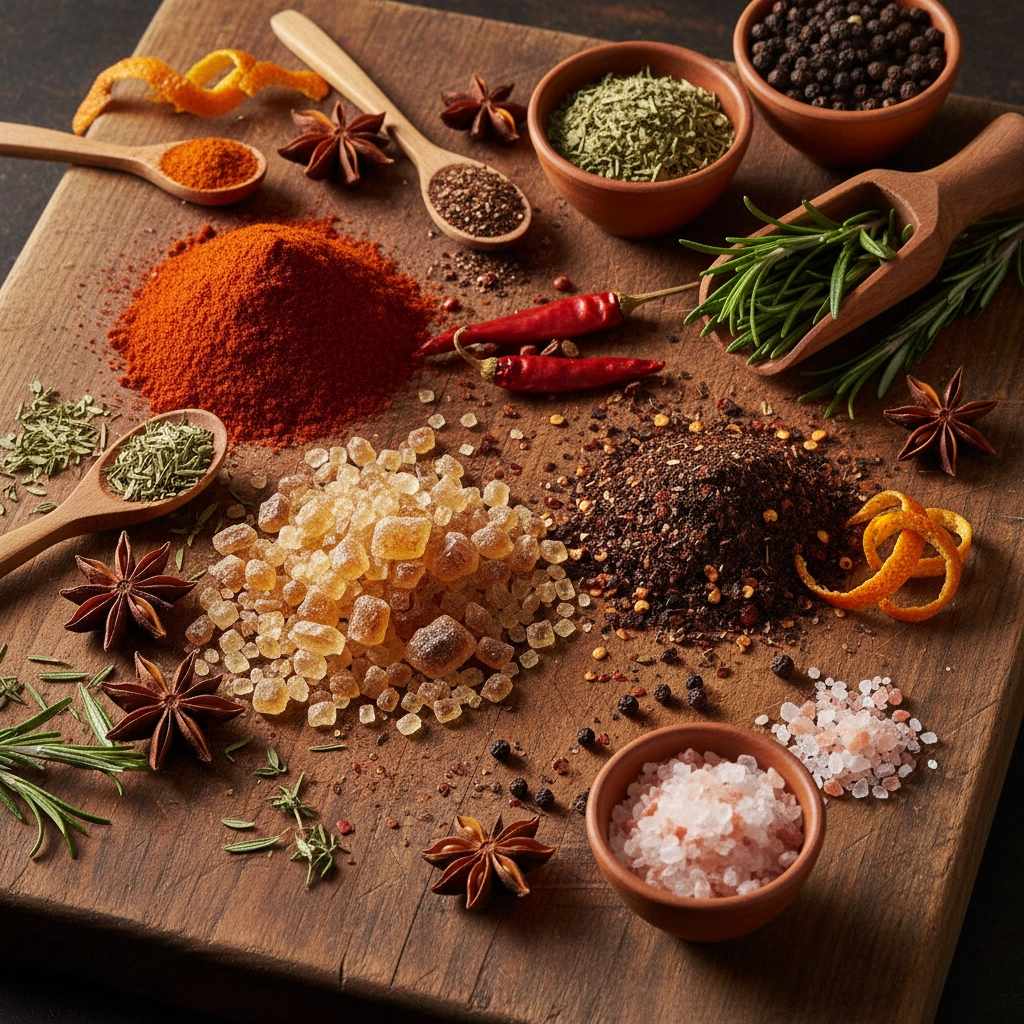
I discovered that Spanish smoked paprika has this incredible depth that regular paprika just can't match. That certain brown sugars caramelize better than others. That the grind size of your black pepper actually matters more than most people think. These weren't just ingredients anymore: they were the building blocks of something bigger.
The First Real Test
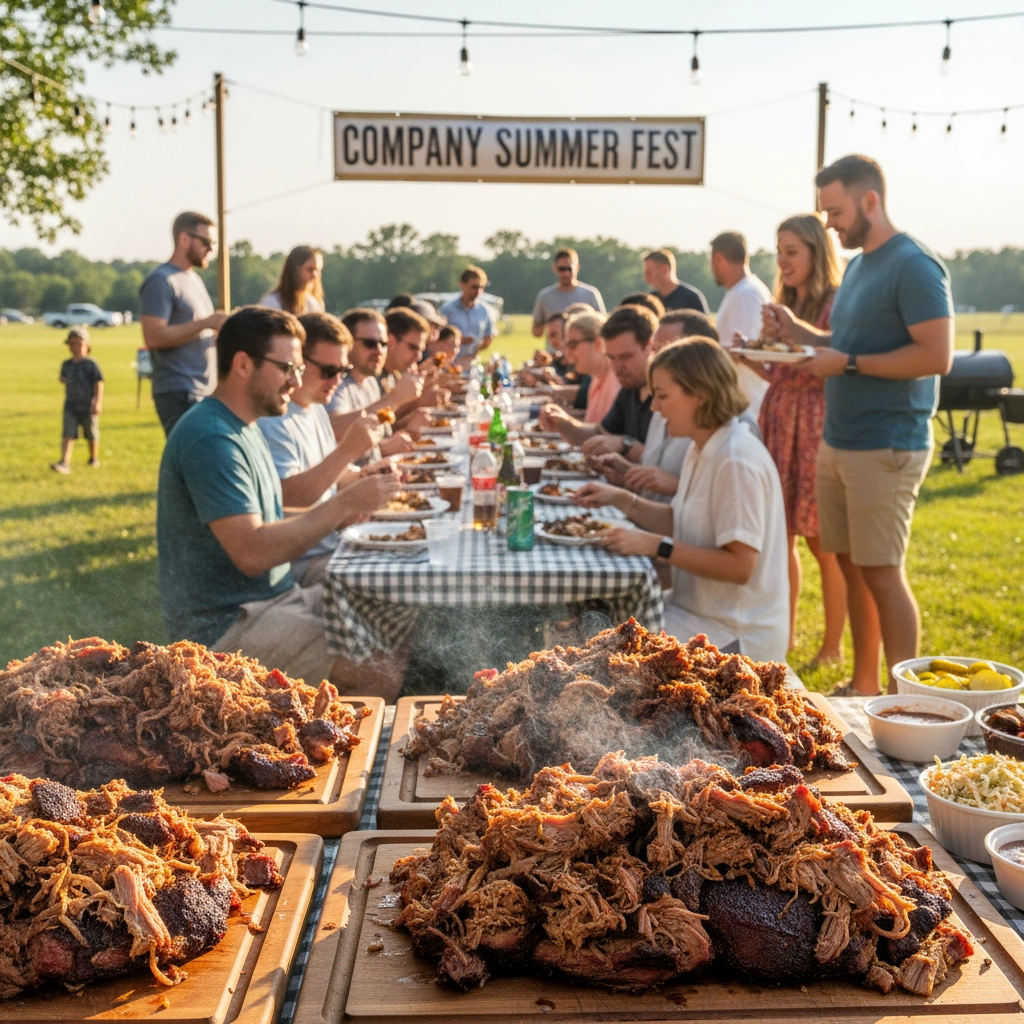
About three years into my backyard experiments, my brother-in-law asked me to cater his company picnic. Fifty people. I thought he was crazy, but he insisted. "Nate, your rubs are better than anything I can buy at the store. Just make a bunch of pulled pork and let people see what you're working with."
That was the first time my bbq seasoning went beyond family and close friends. I was nervous as heck, but I mixed up big batches of what I was calling my "house blend" (now known as the All-Purpose Rub) and my Sweet Amber Fire.
The feedback was incredible. People were asking where they could buy the seasoning. Someone offered to invest in my "spice company" right there at the picnic. I remember thinking, "Spice company? I just make rubs in my kitchen."
But that day planted a seed.
From Kitchen Counter to Small-Batch Production
The transition from backyard experiments to actual production happened gradually, then all at once. I started making larger batches for friends, then friends of friends. My wife suggested I set up at the local farmers market, just to see what happened.
That first farmers market day, I brought maybe twenty small containers of three different blends. Sold out in two hours. The next week, I brought forty containers. Sold out again.
What really sealed the deal was the feedback I was getting. People weren't just buying the rubs: they were coming back with stories. How my Lone Star Smoke blend made their brisket the hit of their neighborhood cookout. How the Smoky Orchard rub transformed their usual chicken dinner into something their kids actually fought over.
That's when I realized I wasn't just selling bbq rubs. I was helping people create memories around their dinner tables.
The Art of Blend Development
Each of my blends has its own story, but they all start the same way: with an idea of what experience I want to create.
When I was developing my Blue Ridge Hot Honey blend, I wanted to capture that perfect balance of sweet and heat that makes you go back for another bite even when your mouth is on fire. It took months to get the honey powder ratio right so it wouldn't clump, and finding the right pepper blend that would give heat without overpowering the sweetness.
My Lone Star Smoke blend was inspired by a trip to Austin where I had the best brisket of my life. I spent weeks trying to reverse-engineer not just the flavor, but the feeling of that meal. The smoke, the spice, the way it made you want to slow down and savor every bite.
The sourcing process for each ingredient is crucial. I work with suppliers who can tell me exactly where their spices come from, how they're processed, when they were harvested. For my smokehouse rubs, I need consistency batch after batch, and that only comes from understanding your supply chain.
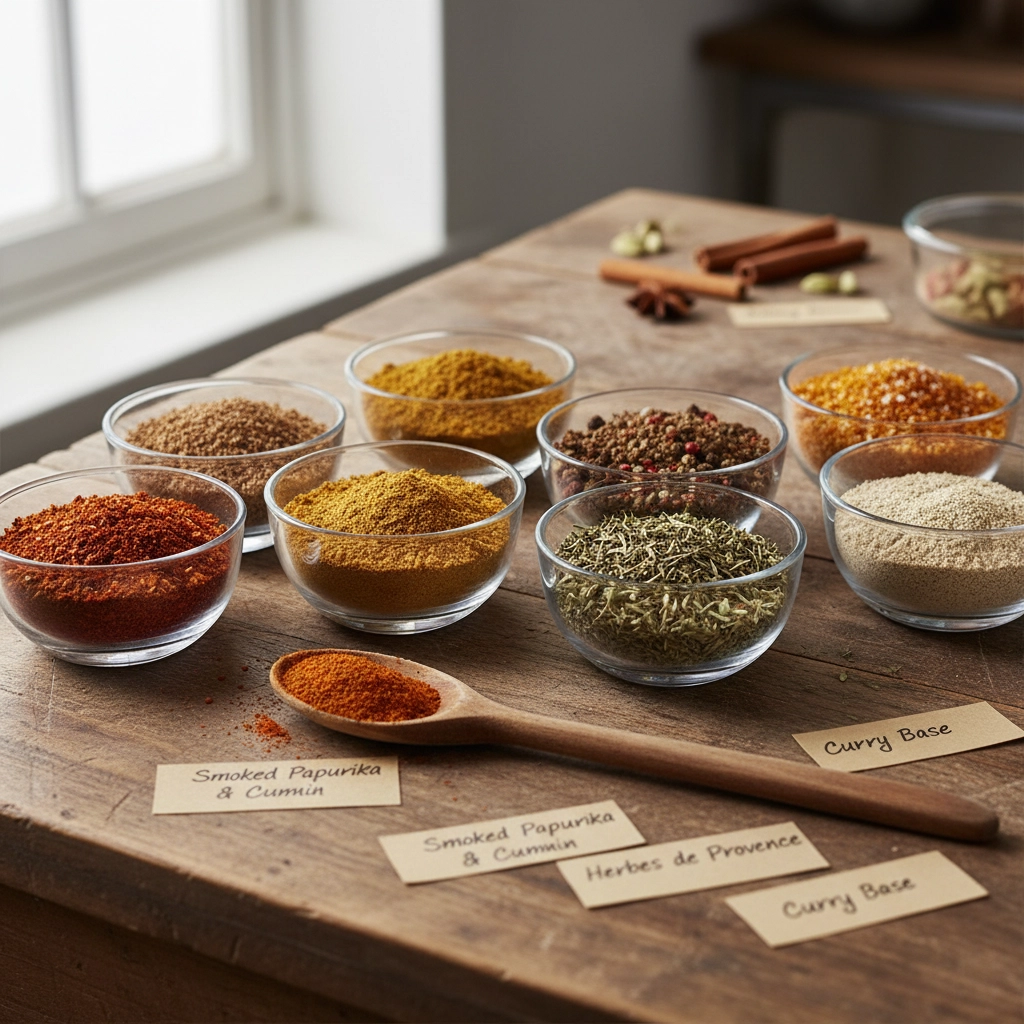
I test every single batch myself. Not just for flavor, but for how the rub behaves on different types of meat, at different temperatures, over different cooking times. My family has eaten a lot of "test batches" over the years: some better than others.
Customer Feedback: The Secret Ingredient
Here's something most people don't realize about small-batch production: your customers become your R&D department. Not in a bad way, but in the best possible way.
When someone tells me they used my Sweet Amber Fire blend on grilled vegetables and it was incredible, that gives me ideas for how to market that blend differently. When a customer mentions they wished one of my rubs had a little more heat, I listen. Sometimes that leads to tweaking an existing blend, sometimes it leads to creating something entirely new.
My Blue Ridge Honey blend actually came from a customer request. Someone loved the Blue Ridge Hot Honey but wanted all the flavor complexity without the heat for their kids. Took me about six months to get it right, but now it's one of my most popular blends.
The farmers market days taught me to really listen to what people were saying. Not just "this is good" or "this needs more salt," but the stories behind how they were using the rubs. Those stories shaped not just the blends themselves, but how I talk about them, how I package them, even which ones I choose to focus on.
Where We Are Today
Looking back, it's wild to think that what started as weekend backyard experiments turned into Nate's Smokehouse BBQ Blends. We're still small-batch, still obsessed with quality, still testing every single batch.
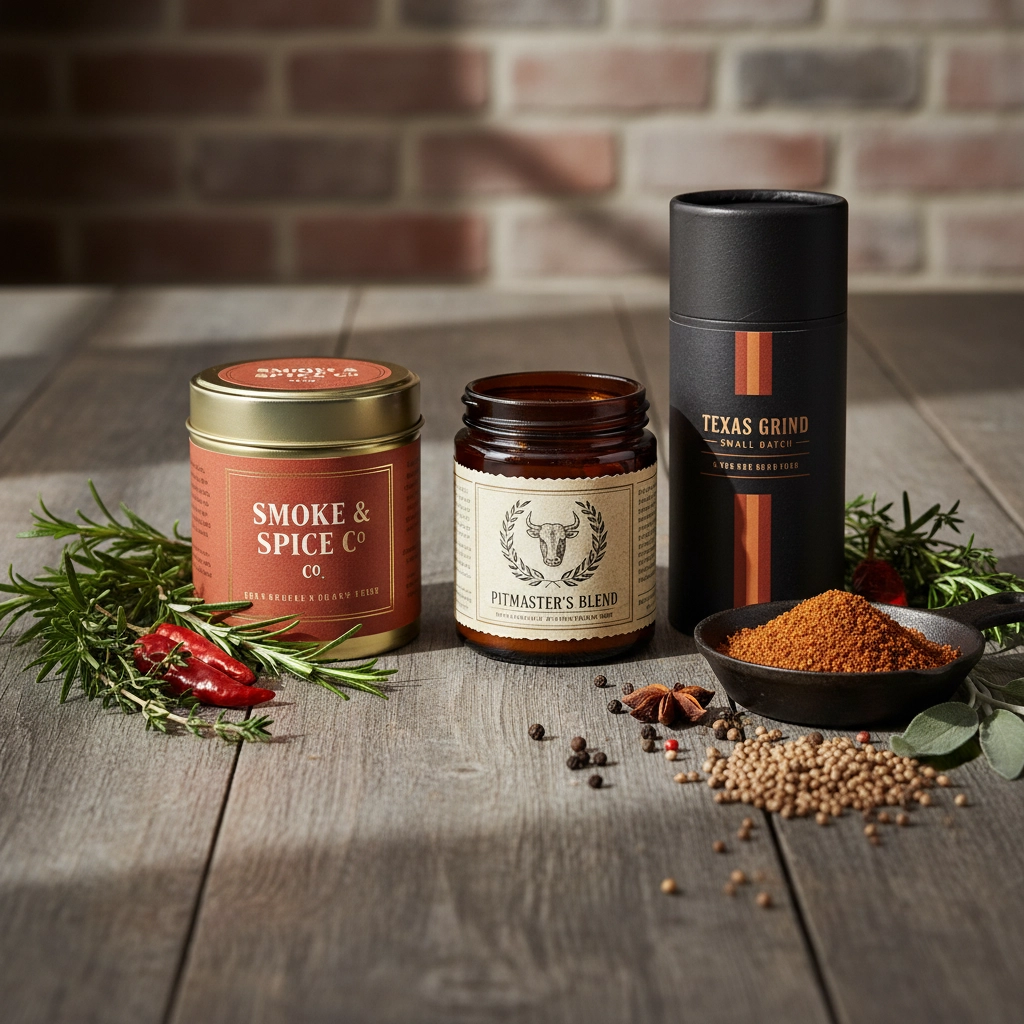
The OG Three Collection: Sweet Amber Fire, Smoky Orchard, and Lone Star Smoke: those are the blends that started it all. They're still mixed in small batches, still tested on my own grill before they go out the door.
But the best part? I still get those stories from customers. Last week someone sent me a photo of their Thanksgiving turkey covered in Sweet Amber Fire, with a note that said it was the best turkey their family had ever had. That's worth more than any review or award.
The backyard experiments continue, by the way. I'm always working on something new, always tinkering. My neighbors have learned to expect the occasional smoky haze and strange smells coming from my direction. They've also learned that being friendly during testing season has its benefits.
This whole journey taught me that great bbq seasoning isn't just about the spices: it's about understanding that food brings people together, and the right flavors can turn an ordinary Tuesday night dinner into something memorable. Whether you're working on your own backyard bbq recipes or just looking for that perfect smoke house seasoning to elevate your next cookout, remember that the best flavors come from a place of curiosity and a willingness to keep experimenting until you get it right.
And trust me, when you do get it right, you'll know.