
Lone Star Smoke Secrets Revealed: What Texas Pitmasters Don't Want Backyard Grillers to Know
Look, I spent years thinking Texas pitmasters were holding back some magical secret ingredient or mystical technique that would transform my backyard BBQ game overnight. Turns out, I was chasing the wrong thing entirely.
The real "secret" that seasoned pitmasters don't advertise? There are no shortcuts, and the fundamentals are everything. After countless conversations with old-school Texas pit masters and way too many failed briskets, I learned that what separates the pros from weekend warriors isn't some hidden knowledge: it's their obsessive commitment to doing simple things perfectly, every single time.
The Fire Control Secret They Don't Talk About
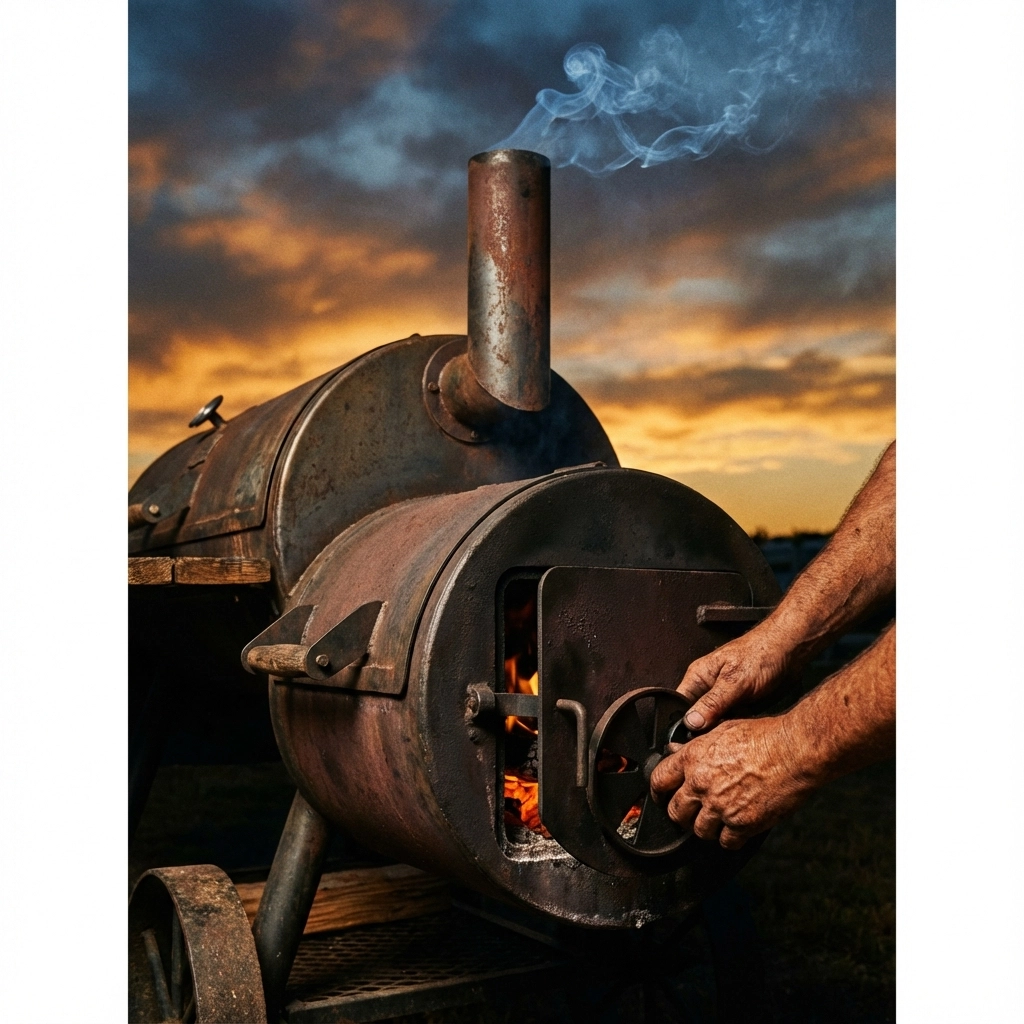
Here's what changed everything for me: realizing that great Texas BBQ isn't about cranking up the heat: it's about managing low, consistent temperatures with surgical precision. I used to think more smoke meant more flavor, so I'd load up my smoker with green wood and create these massive billowing clouds of white smoke. Big mistake.
Real pitmasters create thin blue smoke: that barely visible, clean-burning smoke that penetrates meat without overwhelming it. When you see thick white smoke pouring out of a pit, that's actually creating bitter, harsh flavors that'll ruin your brisket faster than you can say "barbacoa."
The trick is controlling airflow through your dampers. More oxygen feeds the fire and makes it burn hotter. Less oxygen slows it down. I spent months learning to read my smoker's personality: when to crack the intake, when to adjust the exhaust, how to maintain that sweet spot between 225-250°F for hours on end.
Wood Selection: Why Post Oak Rules Texas
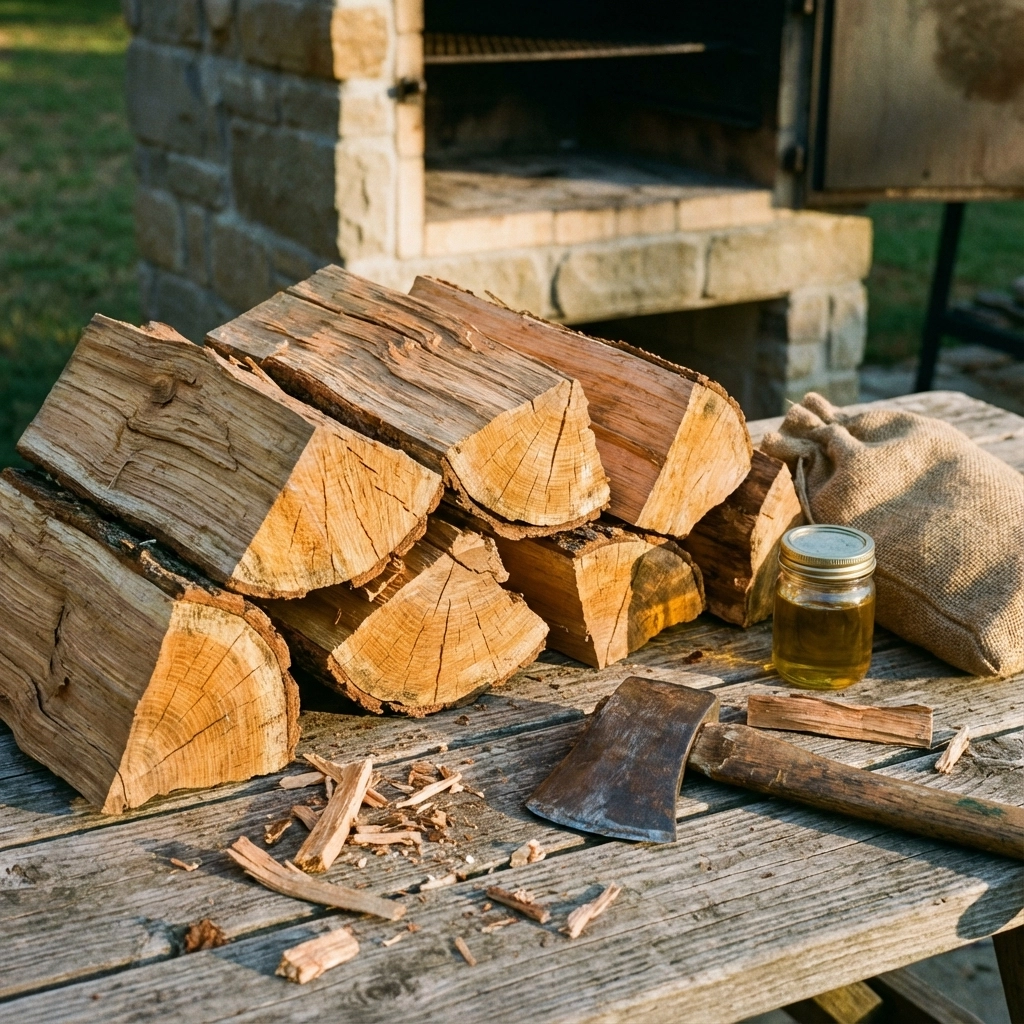
Most backyard grillers grab whatever wood chunks they find at the hardware store. Texas pitmasters? They're particular about their Post Oak, and for good reason. This wood burns clean, produces consistent heat, and gives that distinctive Texas smoke flavor without overpowering the meat.
I buy oak pellets for my pellet smoker. Pellets make it easy to get that steady, clean smoke without messing around with logs or worrying about moisture. With oak pellets, I get consistent temperature and that signature thin blue smoke that makes Texas brisket legendary—no fuss, just great flavor.
The investment matters too. Some of the legendary Texas joints burn through 2+ cords of Post Oak weekly just to keep their pits running consistently. That's serious commitment to quality fuel.
Brisket Selection: The Foundation of Everything
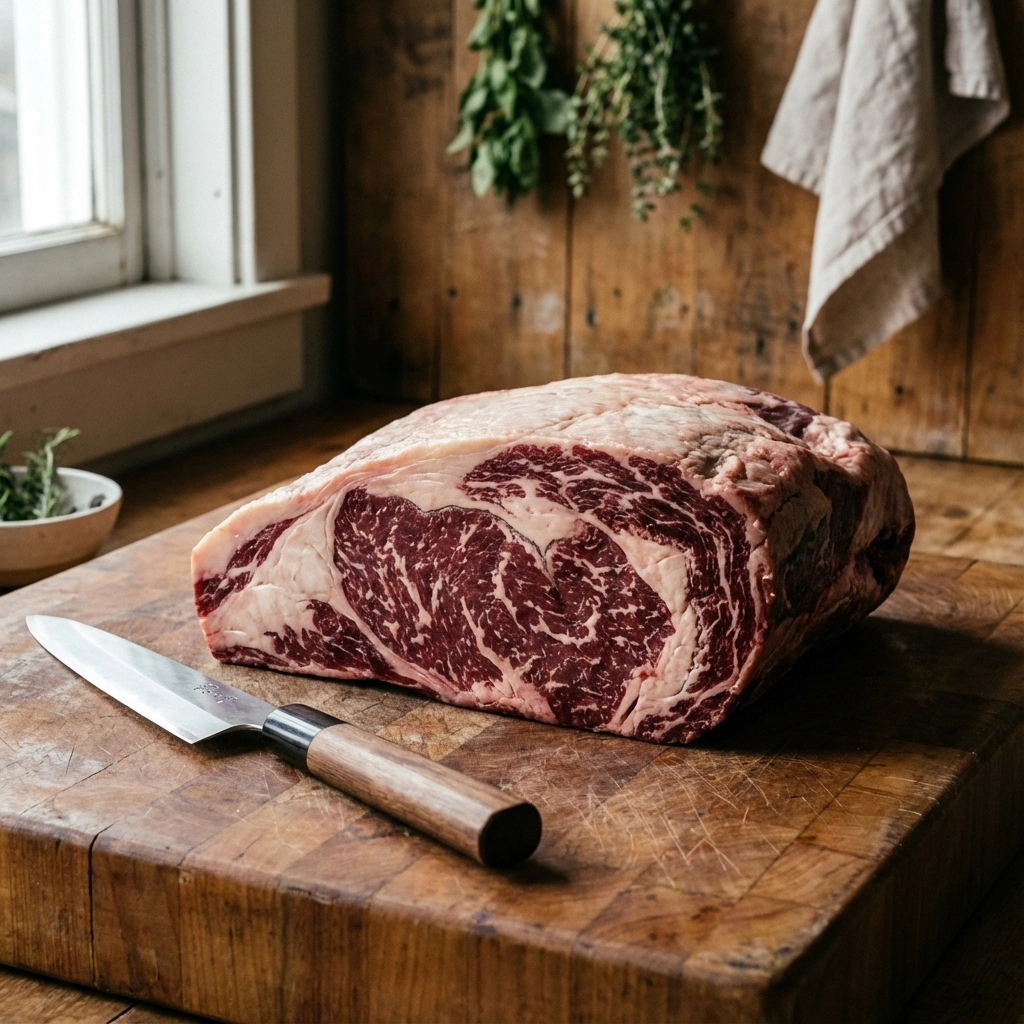
Here's where most home cooks go wrong before they even light the fire: they pick up any old brisket from the grocery store. Texas pitmasters hand-select their briskets, looking for specific qualities that most people never consider.
I choose untrimmed briskets in the 12-14 pound range with a good fat cap. That fat isn't just for flavor: it's protection. During the long smoke, that fat renders down and bastes the meat while helping form the bark (that beautiful, caramelized crust that's pure gold in Texas BBQ).
The trimming process is crucial. I remove excess hard fat while leaving about a quarter-inch protective layer. Too much fat and it won't render properly. Too little and your brisket dries out during the long cook. It's a balance that took me dozens of briskets to figure out.
The Rub Game: Simple, But Never Basic
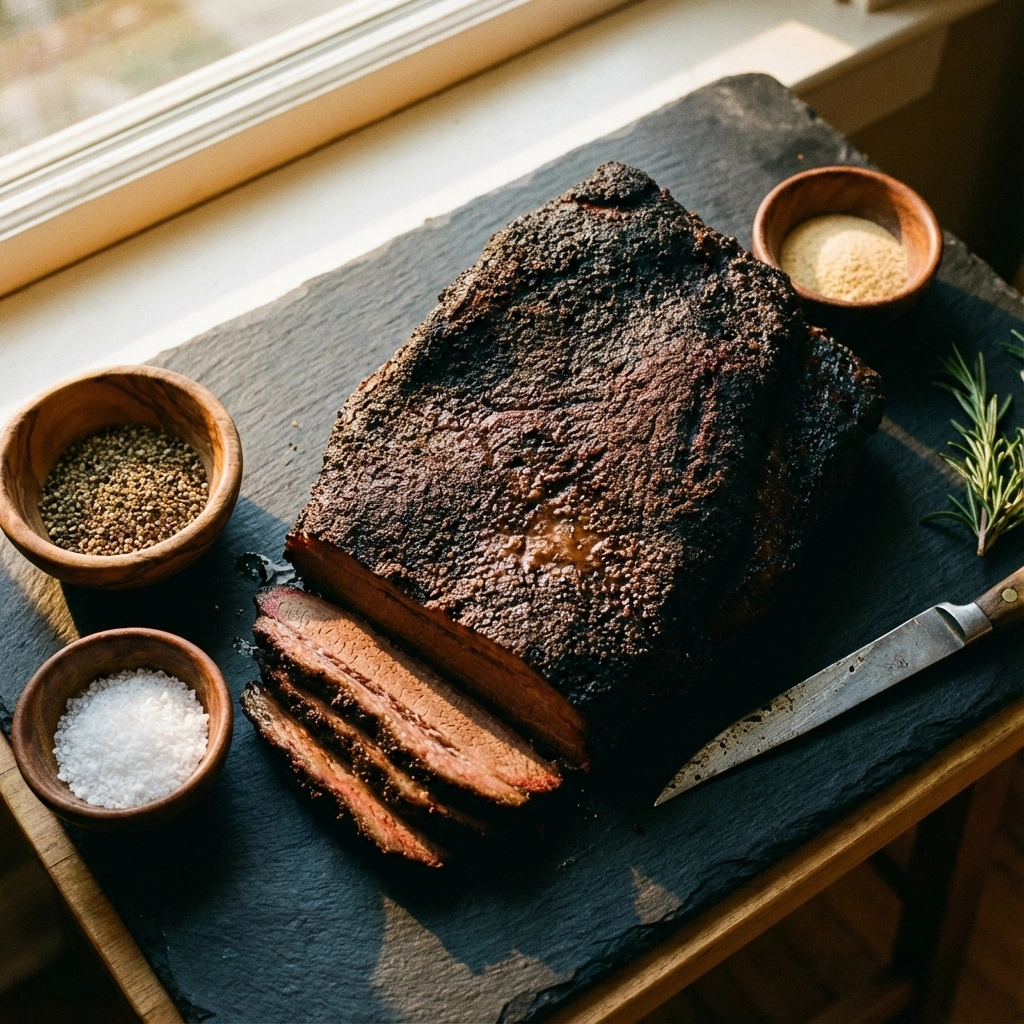
This might disappoint you, but most legendary Texas rubs are almost boring in their simplicity. Salt, coarse black pepper, garlic powder: sometimes that's it. I've talked to pitmasters who use a 5:1 ratio of black pepper to salt, and that's their entire secret.
My Lone Star Smoke blend captures this authentic Texas approach while adding just enough complexity to make your backyard BBQ shine. I built it around that classic salt and pepper foundation, then layered in carefully balanced spices that enhance rather than mask the meat's natural flavors.
The real secret isn't what's in the rub: it's how you apply it and let it work during the smoke. That simple seasoning needs time to penetrate the meat and form the bark that makes Texas brisket legendary.
Temperature and Time: The Non-Negotiables
Here's what nobody wants to hear: great Texas brisket takes 12-16 hours. Sometimes longer. There's no way around it because you're not just cooking meat: you're breaking down tough connective tissues and allowing smoke to penetrate every fiber.
I plan my cooks backwards from when I want to eat. If I want brisket ready by 6 PM Saturday, I'm starting that fire by 2 AM. The math is simple: 1-1.5 hours per pound at 225-250°F, plus time for resting.
A 14-pound brisket can lose 50% of its weight during cooking as fat renders and moisture evaporates. That's not waste: that's transformation. Those rendered juices and the slow breakdown of collagen into gelatin is what creates that melt-in-your-mouth texture that defines great barbecue.
The Constant Vigilance Factor
Professional pitmasters aren't sitting around drinking beer while their meat cooks (well, maybe a little). They're constantly managing their pits: checking temperatures, adjusting dampers, rotating meat positions, managing wood placement.
I learned this the hard way after too many overnight cooks where I'd wake up to find my temperature had spiked or dropped while I slept. Now I set alarms every 2 hours during long smokes. It sounds obsessive, but consistency is everything in barbecue.
The saying "if you're looking, you ain't cooking" gets thrown around a lot, but real pitmasters open their pit doors regularly to monitor progress. The trick is doing it efficiently: quick checks that don't dump too much heat.
How My Lone Star Smoke Captures These Principles
When I developed my Lone Star Smoke rub, I wanted to bottle that authentic Texas approach in a blend that would help backyard grillers achieve pitmaster-quality results without decades of trial and error.
I start with that classic Texas foundation: coarse black pepper and salt: then build layers that enhance the meat's natural flavors. Each ingredient serves a purpose: some for bark formation, others for depth, and everything balanced to let the smoke and meat shine through.
What makes this blend special is that it follows those pitmaster principles I learned the hard way. It's not trying to be everything to everyone: it's focused on doing one thing perfectly: creating authentic Texas brisket flavor that develops beautifully during long, low-temperature smoking.
The Real Truth About BBQ "Secrets"
After years of chasing shortcuts and secret techniques, here's what I learned: Texas pitmasters don't guard mysterious formulas. They guard their commitment to excellence. They use quality ingredients, maintain consistent processes, and never compromise on time or temperature.
The "secrets" are actually fundamentals executed with obsessive precision. Clean-burning wood, steady temperatures, simple seasonings applied correctly, and the patience to let time and smoke work their magic.
My advice? Stop looking for shortcuts and start mastering the basics. Get your fire control dialed in. Source quality meat and wood. Use a proven rub like my Lone Star Smoke that's built on authentic Texas principles. And most importantly, give yourself the time to do it right.
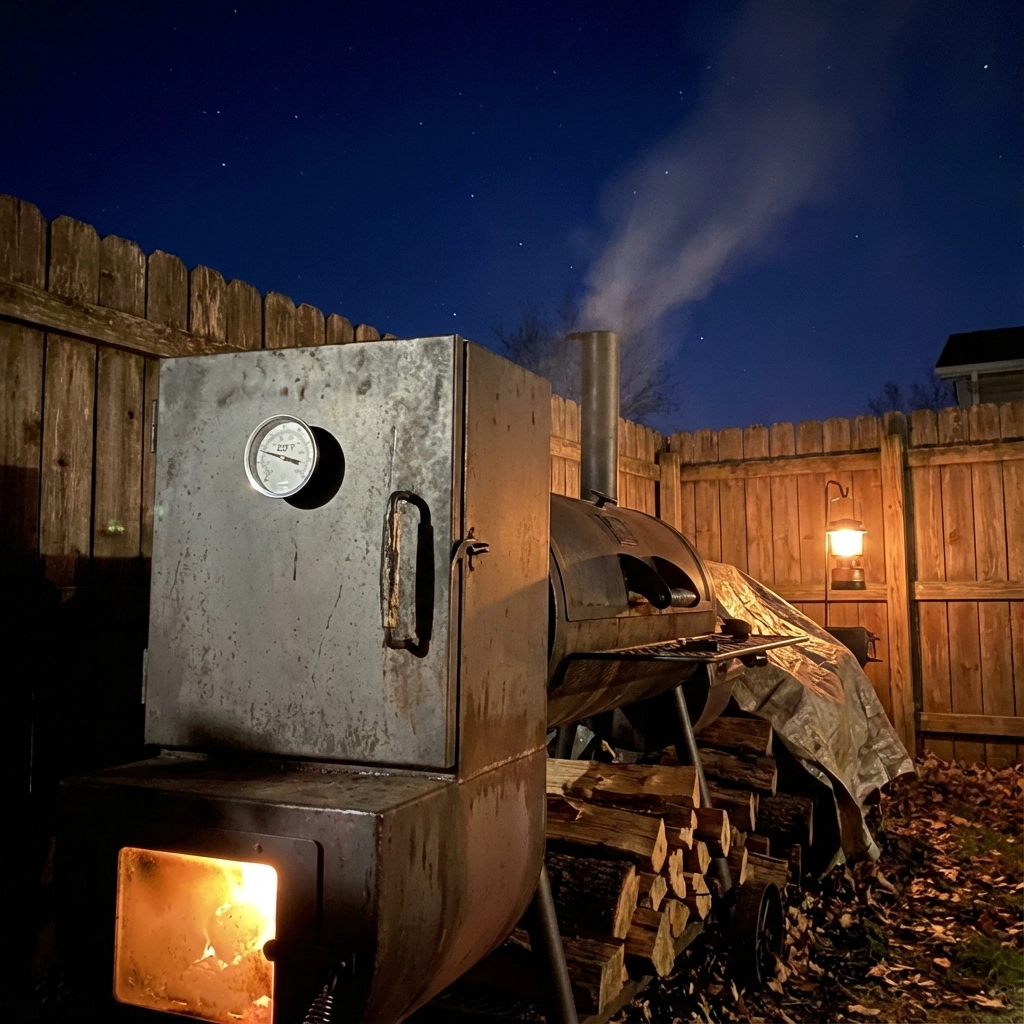
Texas BBQ isn't about secret ingredients: it's about respect. Respect for the process, respect for quality ingredients, and respect for the time it takes to transform a tough piece of meat into something transcendent. Master these fundamentals, and you'll be cooking BBQ that rivals any legendary Texas joint, right in your own backyard.
The pitmasters aren't keeping secrets from you. They're just showing you that there are no shortcuts to greatness: only dedication to doing simple things perfectly, every single time.