
Struggling for Smoke Flavor? 7 Smoke House Seasoning Hacks for Pellet Grill Owners
Look, I get it. You dropped some serious cash on a pellet grill because you wanted that deep, rich smoke flavor that makes your neighbors peek over the fence. But after a few cooks, you're standing there scratching your head wondering why your brisket tastes more like it came from the oven than from a proper smokehouse.
Trust me, you're not alone. This is probably the number one complaint I hear from folks who make the switch to pellet grills. They're convenient, they hold temperature like a champ, and they're about as close to set-it-and-forget-it as smoking gets. But that smoke flavor? Sometimes it feels like it got lost somewhere between the hopper and the grill grates.
The good news is there are some simple things you can do to boost that smoke profile without trading in your pellet grill for a stick burner. I've been messing around with these techniques for years, and I'm going to share my seven favorite hacks that actually work.
1. Start Low and Let the Smoke Do Its Thing
Here's something a lot of pellet grill owners don't realize: the lower your temperature, the more smoke your grill produces. When you crank up that dial, the fire burns cleaner and hotter, which means less visible smoke making its way to your meat.
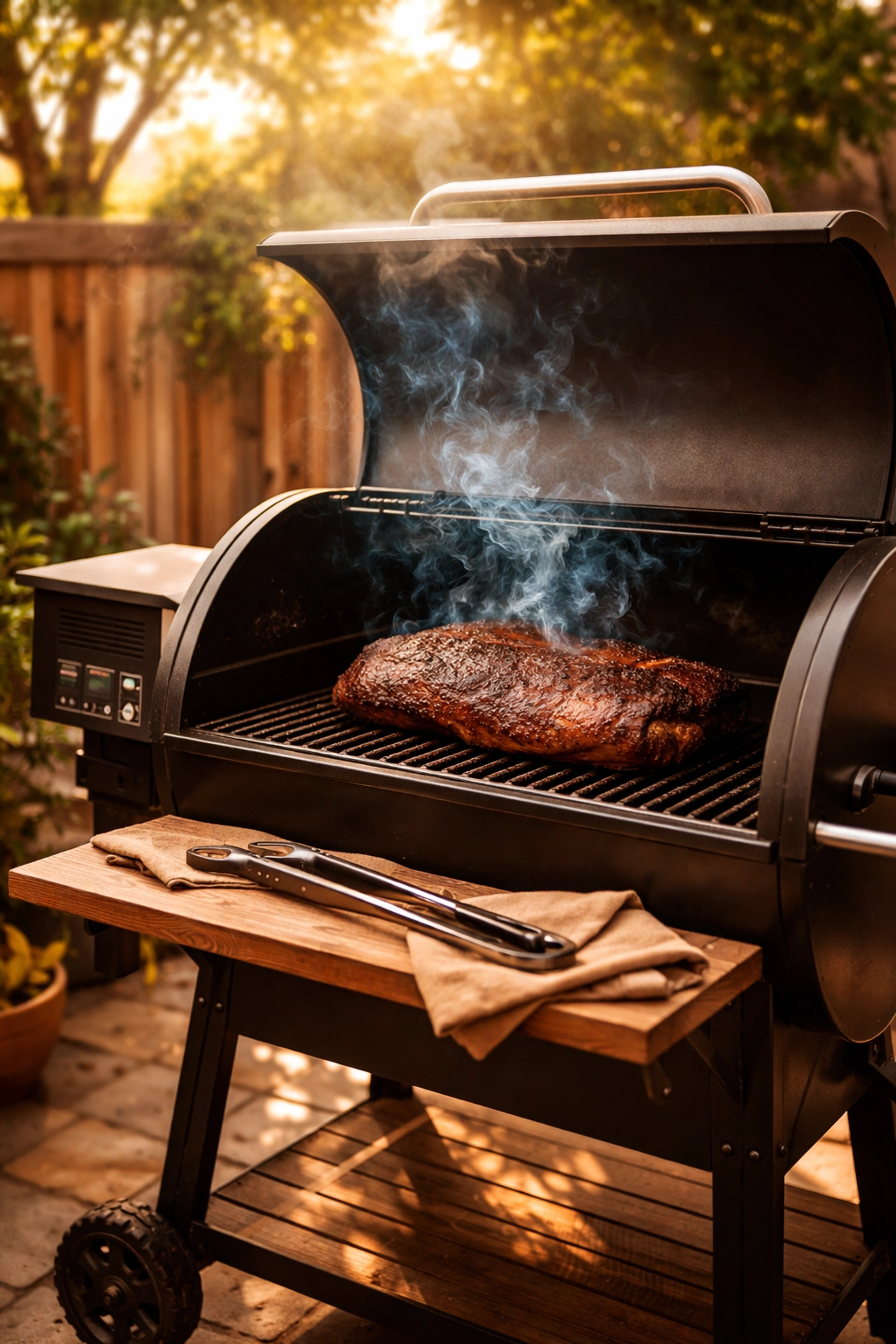
My trick? Start your cook at around 225°F for at least the first hour or two. This is when your meat is going to absorb the most smoke anyway (cold meat attracts smoke like a magnet). After that initial smoke session, you can bump up the temperature if you need to speed things along.
Think of it like marinating, except you're marinating in smoke instead of liquid. Give your meat time to soak it all in before you rush to the finish line.
2. Choose Your Pellets Wisely (Oak Is My Go-To)
Not all pellets are created equal, and this is where a lot of folks go wrong. Some pellets are packed with fillers, bark, or who-knows-what that can mess with your fire consistency and give you that bitter, dirty smoke taste nobody wants.
I'm partial to oak pellets myself. Oak gives you a clean, medium smoke flavor that works with just about everything, beef, pork, chicken, you name it. It's not too overpowering like mesquite can be, and it's got more backbone than something lighter like apple or cherry.
Whatever you choose, spring for quality hardwood pellets from a brand you trust. This isn't the place to pinch pennies. The quality of your pellets directly affects the quality of your smoke, and ultimately, the taste of your food.
3. Keep That Meat Moist
Here's a little science for you: smoke sticks better to wet surfaces than dry ones. So if you want more smoke flavor penetrating your meat, you've got to keep things moist in that cooking chamber.
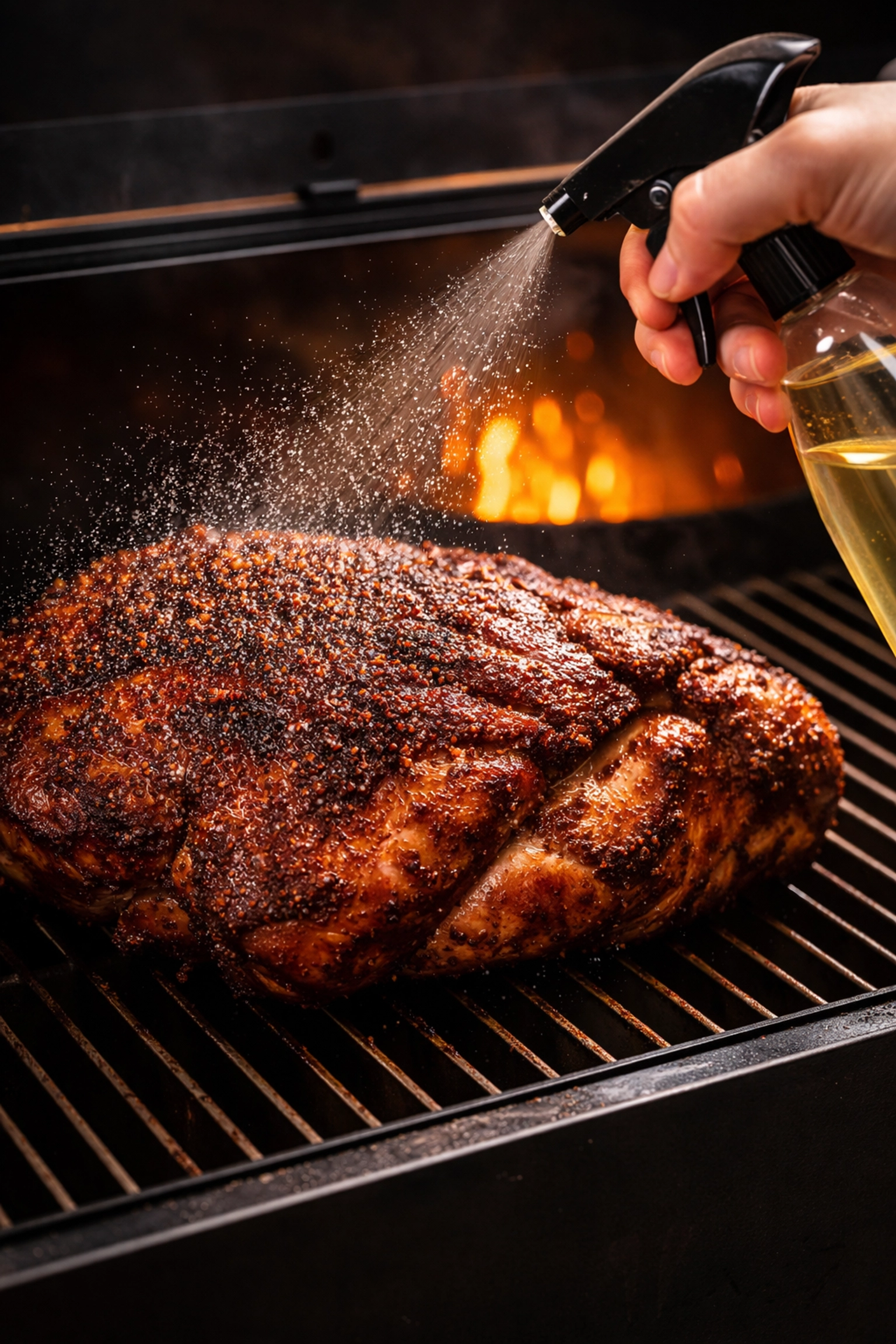
I like to spritz my meat every 45 minutes or so once the bark starts forming. You can use plain water, apple cider vinegar, apple juice, or even beef broth for bigger cuts like brisket. Some folks get fancy with it and mix up their own concoctions, but honestly, even just water does the trick.
The spritz does double duty too, it helps with bark formation and keeps your meat from drying out during those long cooks. Win-win.
4. Don't Let Your Rub Build a Wall
I know this sounds counterintuitive coming from a guy who makes BBQ rubs for a living, but hear me out. If you cake on a super thick layer of seasoning, you're essentially building a barrier between your meat and the smoke.
The key is balance. You want enough rub to add flavor and help create that beautiful bark, but not so much that the smoke can't find its way through. A nice even coating is all you need, you shouldn't be able to see your hand through the rub, but you also shouldn't be piling it on like snow in January.
For cooks where I really want the smoke to shine through, I'll sometimes go simple with just salt and coarse black pepper (the Texas way), then finish with a light dusting of something like my Lone Star Smoke rub to complement rather than compete with that smoke flavor.
5. Chase the Thin Blue Smoke
If there's one thing I want you to remember from this whole post, it's this: thin blue smoke is your friend. Thick white smoke is not.
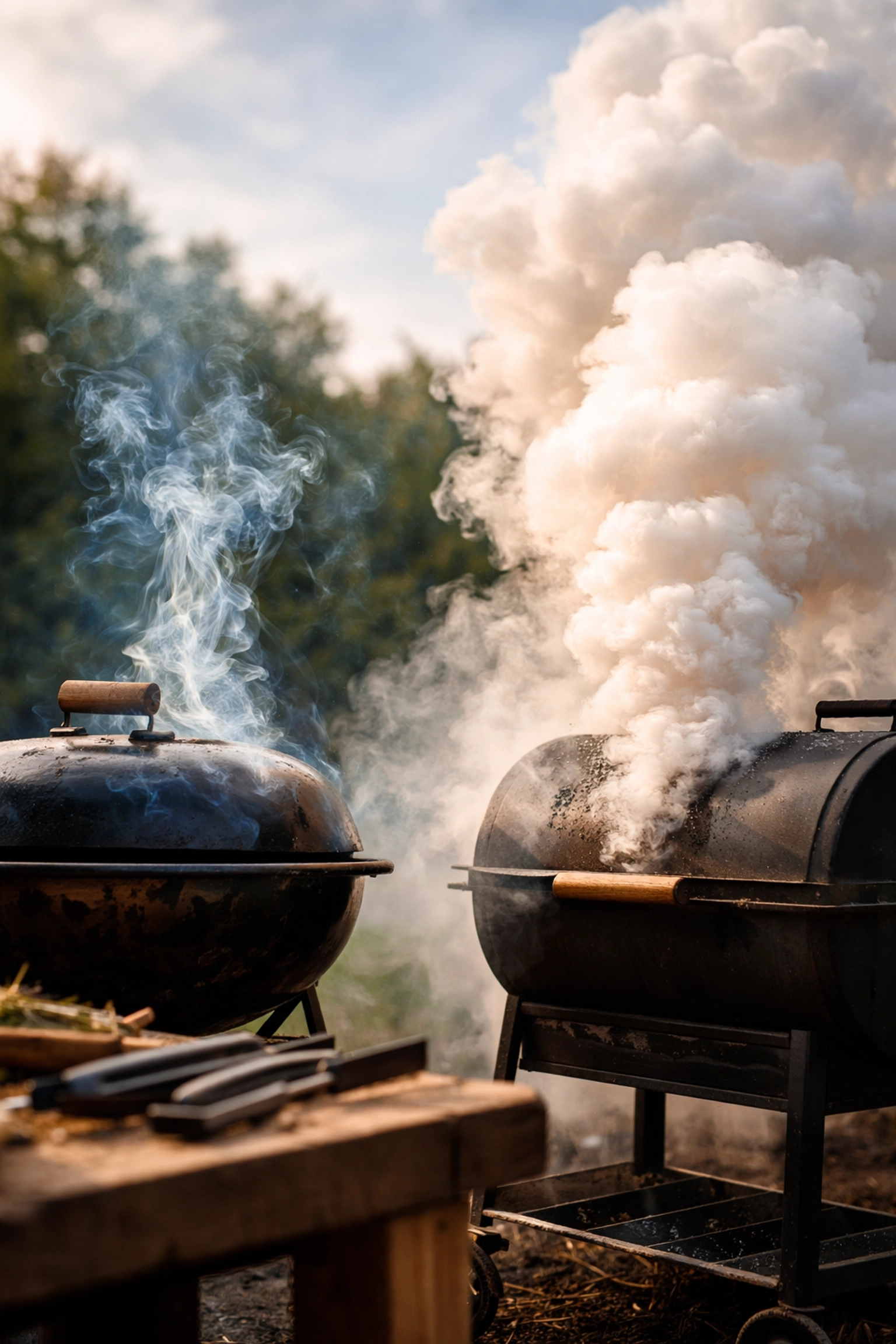
Thin blue smoke (sometimes it's almost invisible, more of a shimmer than actual smoke) means your fire is burning clean and efficient. This is the good stuff that gives you that classic smokehouse flavor without any bitterness.
Thick white smoke, on the other hand, usually means incomplete combustion. It can leave your meat tasting acrid and harsh. If you're seeing billowing white smoke, something's off, maybe your pellets are damp, your fire pot needs cleaning, or your grill needs more airflow.
Keep your grill clean, use dry pellets, and make sure you're getting proper combustion. Your taste buds will thank you.
6. Store Your Pellets Like They're Precious (Because They Are)
Speaking of dry pellets, this is huge. Pellets that have absorbed moisture from the air don't burn right. They can cause temperature swings, produce dirty smoke, and basically sabotage your whole cook before it even starts.
I keep my pellets in airtight containers in my garage. Some folks use five-gallon buckets with gamma seal lids, others use big plastic storage bins. Whatever works for you, just make sure they're sealed up tight and stored somewhere dry.
If you live somewhere humid (like I do), this is even more important. Nothing ruins a weekend cook faster than realizing your pellets have turned to mush.
7. Layer Your Smoke Flavor with Smokehouse Seasonings
Okay, here's where my rubs come into play, and I promise this isn't just a sales pitch. When you're working with a pellet grill, sometimes you need to give that smoke flavor a little boost, and the right seasonings can help you get there.
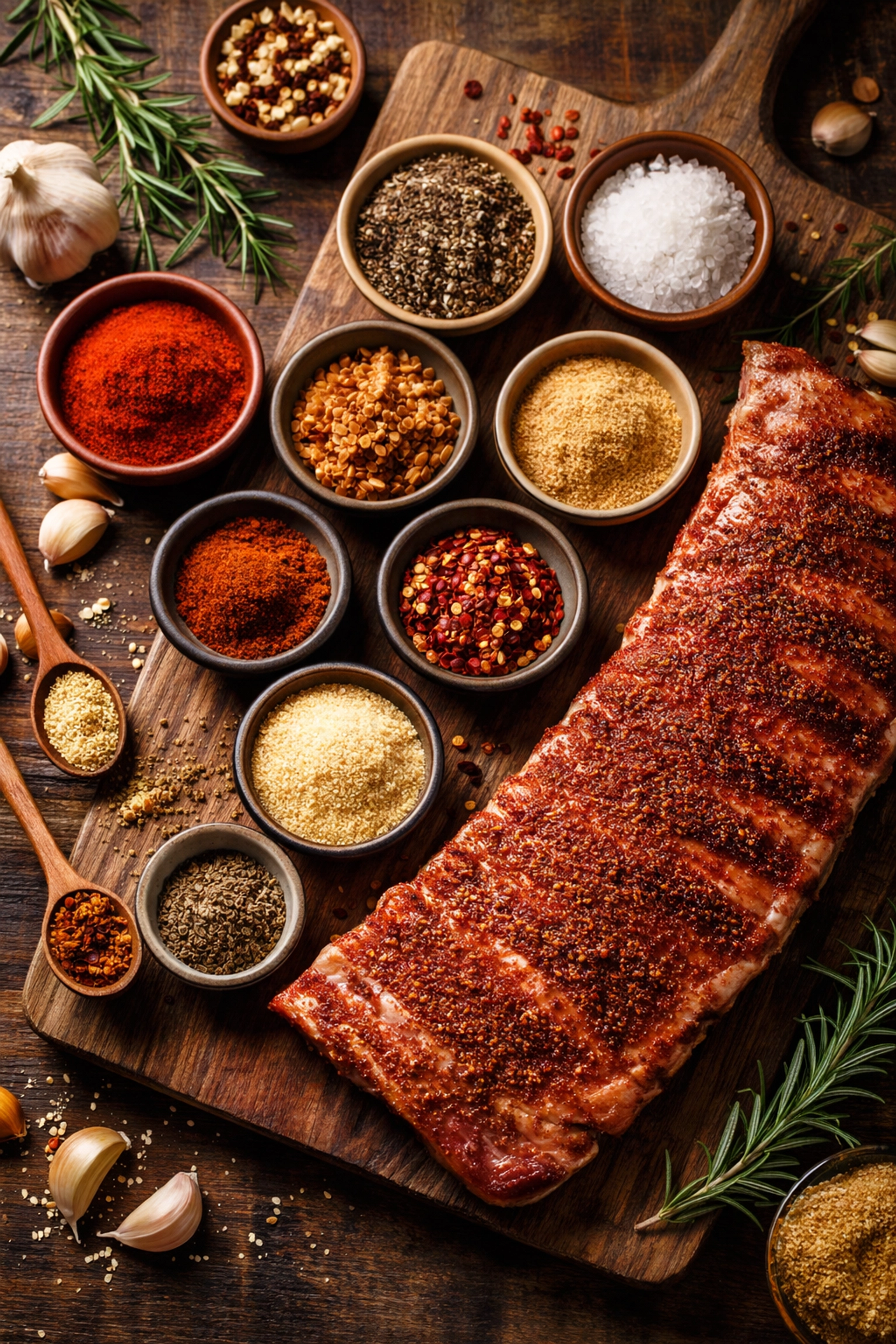
I designed blends like Smoky Orchard specifically to complement and enhance natural smoke flavors. The idea is to layer smokiness, you've got the actual smoke from your grill, and then you've got seasonings that bring their own smoky notes to the party.
It's not about faking smoke flavor. It's about building depth. Think of it like adding harmony to a melody. The pellet smoke is your lead singer, and the right rub is your backup vocals making everything sound fuller and richer.
You can also try finishing techniques like a light sprinkle of smoked salt or adding smoked paprika to your rub blend. These little touches add up.
Putting It All Together
Look, pellet grills might not pump out smoke like an old-school offset smoker, but that doesn't mean you can't get incredible results. It just takes a little know-how and some willingness to experiment.
Start low, use quality oak pellets, keep your meat moist, don't go crazy with the rub thickness, chase that thin blue smoke, store your pellets properly, and layer your flavors with the right seasonings. Do all that, and I promise you'll notice a difference.
The best part? Once you dial in your process, it becomes second nature. You won't even think about it anymore, you'll just be turning out smoky, delicious BBQ that makes people ask what your secret is.
And when they do? Well, you can share these hacks or keep them to yourself. I won't judge either way.
Happy smoking, y'all.
Got questions about getting more smoke flavor from your pellet grill? Drop by Nate's Smokehouse BBQ Blends and check out our full lineup of rubs designed to complement your backyard cooks.