Turn Cheap Cuts Into Gourmet Gold: 7 BBQ Rub Tricks That Make $20 Chuck Roast Taste Like $75 Brisket
Look, I'll be straight with you – I've been smoking meat for over two decades, and some of my best meals have come from the cheapest cuts at the grocery store. That $3 chuck roast sitting in the discount bin? With the right bbq rubs and techniques, it'll make your neighbors think you dropped serious cash on prime brisket.
I learned this the hard way during my early pitmaster days when money was tight but my appetite for great BBQ wasn't. These seven tricks I'm sharing today are battle-tested in my own backyard and have helped me turn countless budget cuts into showstoppers that had folks asking for my secret.
1. Master the Overnight Dry Brine (The Game-Changer)
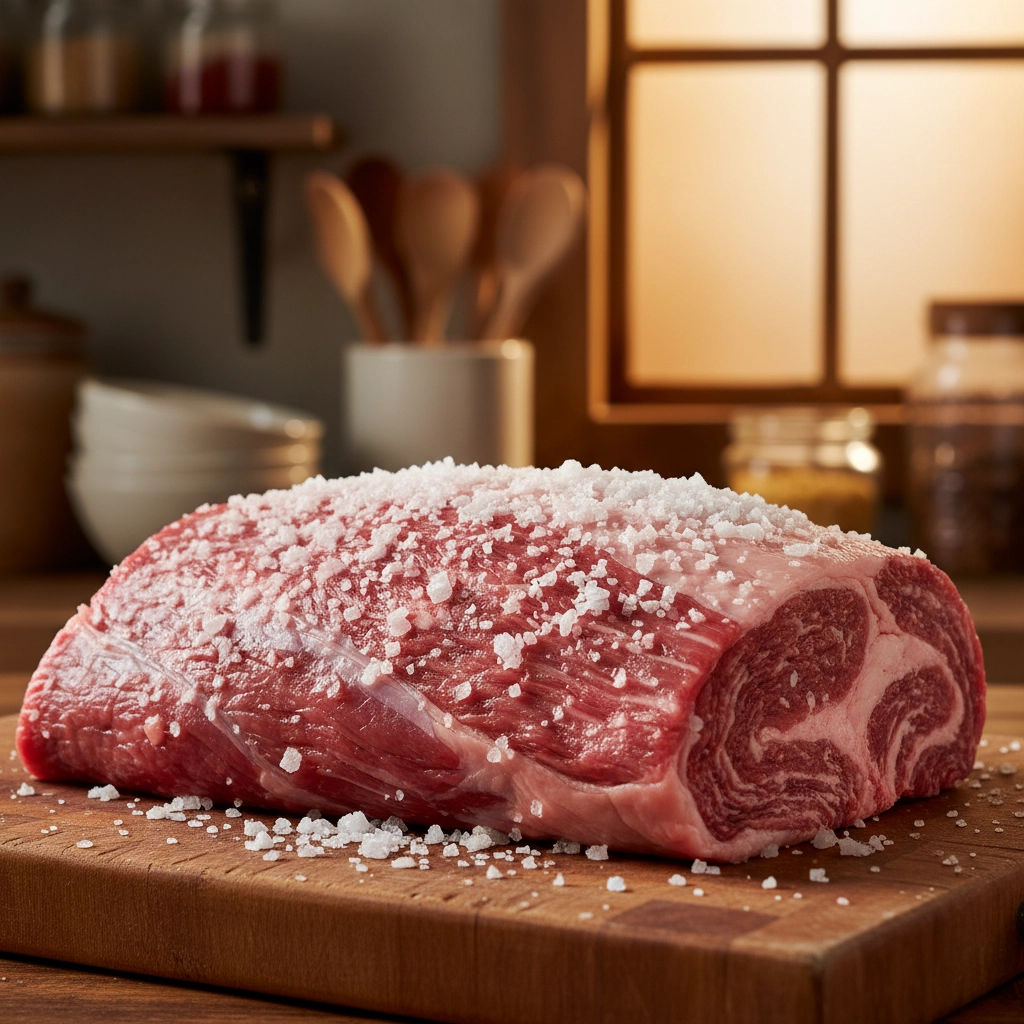
This is hands down the most important trick I can teach you. The night before you plan to smoke, take that chuck roast and coat it generously with kosher salt – I'm talking about really getting it covered. Wrap it up and stick it in the fridge for 12-24 hours.
What happens during this time is pure magic. The salt draws out the natural juices, then dissolves back into the meat, carrying flavor deep into every fiber. When I started doing this with my chuck roasts, people thought I'd switched to wagyu. The meat becomes incredibly juicy and develops this rich, concentrated beef flavor that cheap cuts just don't have on their own.
I remember the first time I tried this technique – my buddy Jake took one bite and said, "Nate, this can't be chuck roast." That's when I knew I was onto something special.
2. Layer Your Smokehouse Rubs Like a Pro
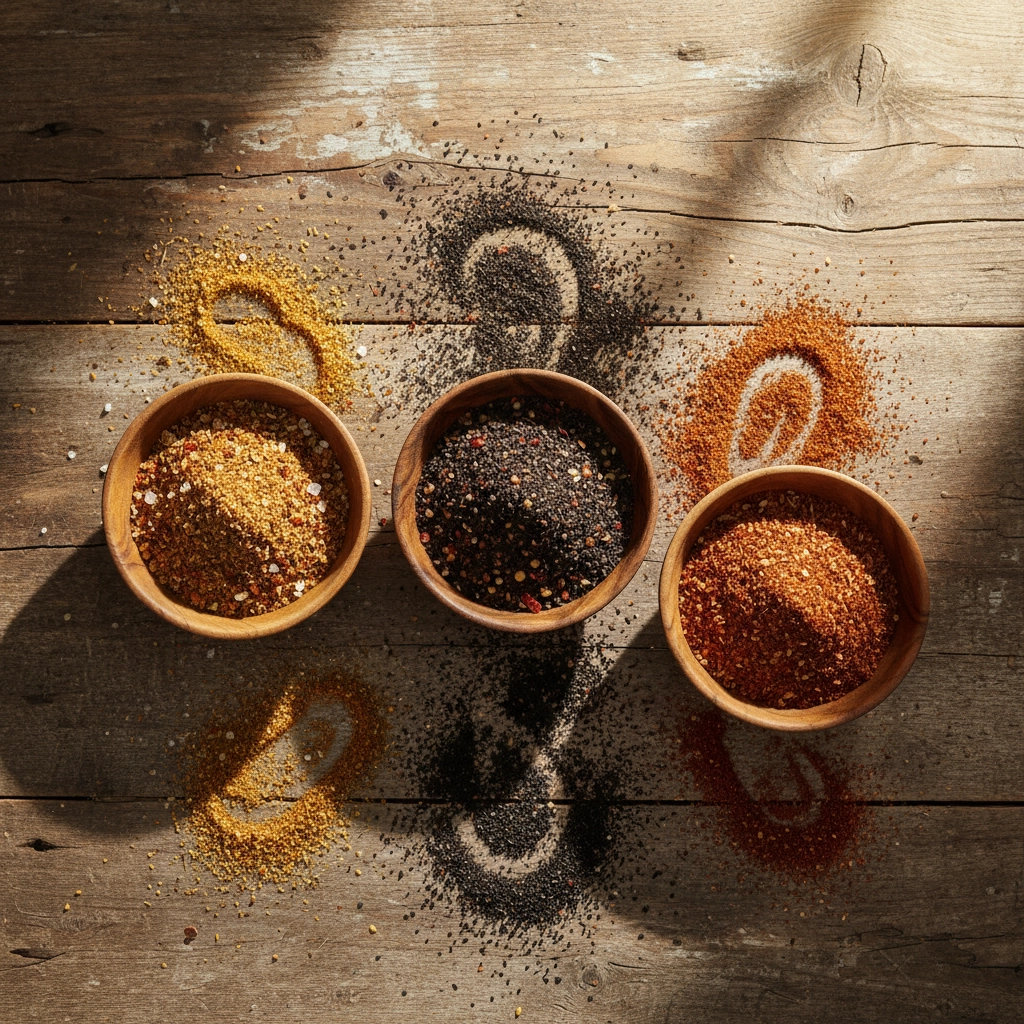
Here's where most home cooks go wrong – they think one rub does it all. Nope. The secret is layering different flavors to create complexity that makes people think you spent hours crafting some gourmet blend.
My go-to combo for chuck roast starts with my All-Purpose Rub as the foundation – it's got that perfect balance of salt, pepper, and garlic that every great piece of meat needs. Then I add a generous coating of Lone Star Smoke for that sweet heat that makes chuck roast sing.
For something with more of a fruit-forward profile, I'll swap in my Smoky Orchard blend. The apple and smoke notes make that chuck roast taste like it came from some fancy steakhouse.
The key is applying your base layer first, letting it sit for 15 minutes, then adding your flavor layer. This gives you depth that single-rub applications just can't match.
3. Pat Dry, Then Oil Smart
Before any bbq seasoning hits that meat, you've got to pat it bone dry with paper towels. I mean really dry – any moisture on the surface is going to prevent your rub from sticking and developing that beautiful bark we're after.
Once it's dry, here's a trick I picked up from competition pitmasters: lightly brush the meat with olive oil or yellow mustard. Sounds weird, but trust me on this. The oil helps your smoke house seasoning penetrate deeper and creates better adhesion. The mustard? You won't taste it, but it acts like glue for your rubs and adds a tiny bit of tang that complements beef beautifully.
I've tested this side-by-side with dry applications, and the difference is night and day. The oil-based applications always come out with better bark and more flavor penetration.
4. Use the "Magic Temperature Zone"
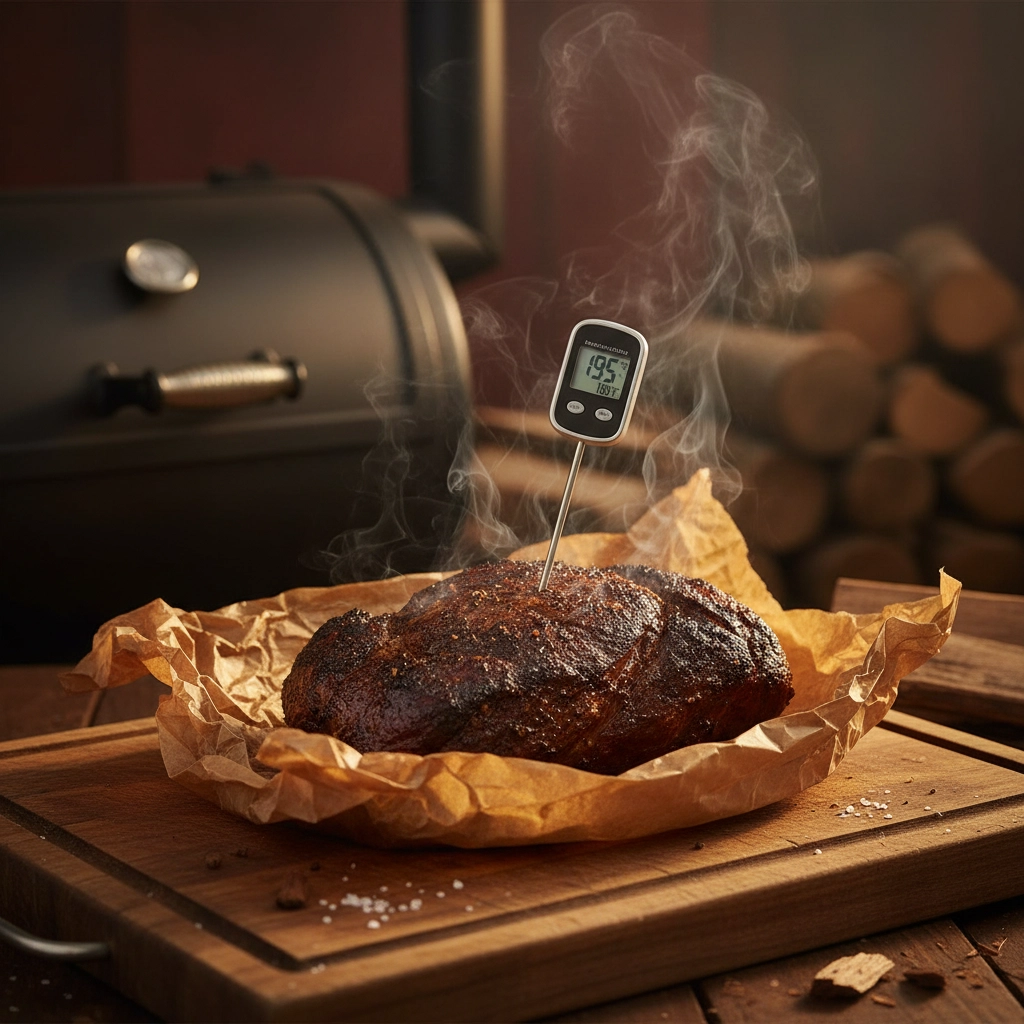
This is where patience pays off big time. Instead of rushing your cook with high heat, keep your smoker between 225-250°F. This low and slow approach is what transforms tough chuck roast into tender, brisket-like perfection.
Here's my proven process: smoke to an internal temp of 170°F, then wrap in butcher paper (not foil – it steams the meat). Continue cooking until you hit 195°F internal. At this point, the connective tissue has broken down completely, and you'll have meat that pulls apart like butter.
I use my Lone Star Smoke blend for longer cooks like this because it's got the perfect balance to stand up to those extended cook times without getting bitter or overpowering the meat.
The first time I nailed this technique, my wife thought I'd secretly bought brisket. That's when I knew I'd cracked the code on making cheap cuts taste expensive.
5. Spritz Smart for Flavor and Moisture
Every 45 minutes during the cook, I hit that chuck roast with apple juice using a spray bottle. This isn't just about keeping it moist – though that's important – it's about building layers of flavor and helping your rub develop that coveted bark.
The apple juice adds a subtle sweetness that complements the smokiness, and the moisture keeps your rub from burning while allowing the smoke to penetrate better. I've tried different spritzing liquids over the years – beef broth, wine, beer – but apple juice consistently gives the best results on chuck roast.
Pro tip: add a splash of apple cider vinegar to your spritz bottle. The acid helps tenderize the meat and adds a bright note that cuts through the richness.
6. Rest Like Your Reputation Depends on It
This might be the hardest part for most folks – the waiting. Once your chuck roast hits 195°F, resist the urge to slice into it right away. Wrap it in a clean towel and let it rest in a cooler or warm oven (170°F) for at least an hour.
During this time, the juices redistribute throughout the meat, and the residual heat continues breaking down any remaining tough fibers. I've seen people skip this step and end up with dry, disappointing meat even though they did everything else right.
The best chuck roast I ever made rested for two hours. When I finally sliced into it, the juices ran like it was prime rib. That's the power of patience in BBQ.
7. Choose Your Rub Based on Your Wood
Here's something most rub guides won't tell you – your choice of smoking wood should influence your seasoning selection. I've learned this through years of trial and error, and it's made a huge difference in my results.
When I'm using oak or hickory (stronger woods), I reach for my Sweet Bee Rub because the honey and spice blend can stand up to that bold smoke flavor. For fruit woods like apple or cherry, my Smoky Buzz is perfect – it complements rather than competes with the subtle smoke.
The goal is harmony between your smoke house seasoning and your wood choice. When they work together instead of fighting each other, that's when magic happens.
The Real Secret: Quality Ingredients Make the Difference
Look, you can follow every technique perfectly, but if you're using grocery store rub that's been sitting on the shelf for two years, you're fighting an uphill battle. That's exactly why I started making my own blends – I got tired of mediocre results from mediocre seasonings.
Every rub in my collection uses fresh, high-quality spices that I source specifically for their flavor impact. When you're working with budget cuts, every advantage matters, and premium rubs are the easiest way to level up your game.
These seven tricks have transformed my backyard BBQ from good to legendary. That $3 chuck roast you passed by last week? Next time, grab it. With the right approach and quality rubs, it's going to be the best $3 you've ever spent on beef.
Trust me on this – I've been turning cheap cuts into crowd-pleasers for years, and these techniques work every single time. Your wallet will thank you, and your taste buds will think you've gone gourmet.